Master the Best Santa Maria Grilled Tri-Tip Recipe with Expert Grilling Tips
Why You’ll Love This Recipe
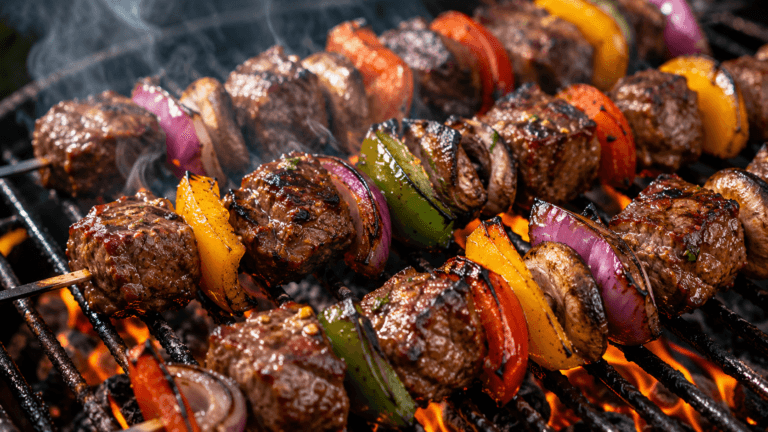
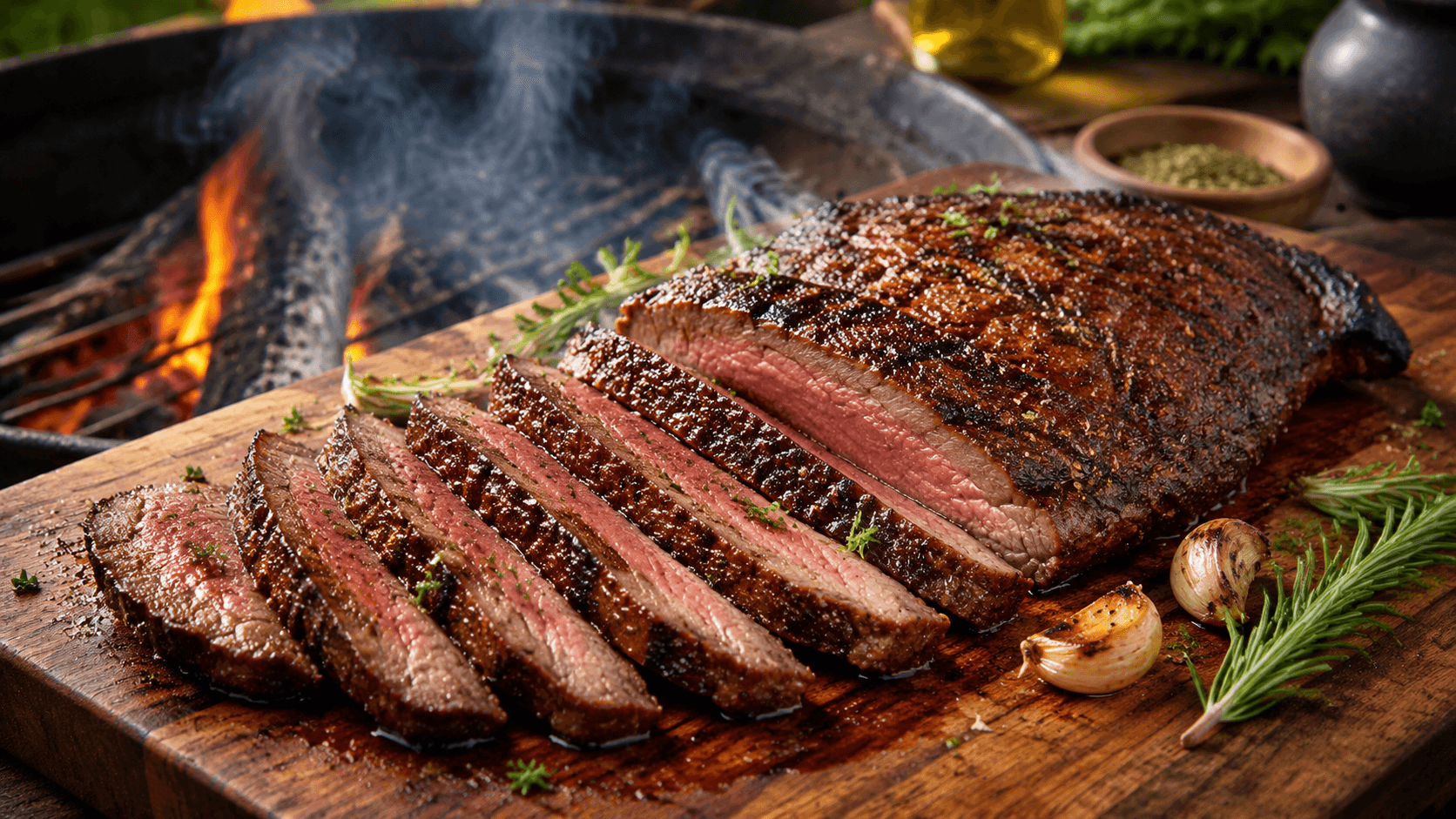
The Santa Maria grilled tri-tip is a quintessential California barbecue specialty that combines smoky flavor with juicy, tender beef. This recipe captures the essence of the classic Santa Maria style—seasoned simply yet robustly with a garlic-herb rub that highlights the natural flavor of the tri-tip cut. Perfect for backyard grilling seasons or a weekend feast, mastering this recipe will bring an authentic, bold taste to your table. With expert grilling tips and precise temperature guidelines, you can confidently cook tri-tip to medium-rare perfection every time.
Ingredients
Ingredients
Ingredient Notes
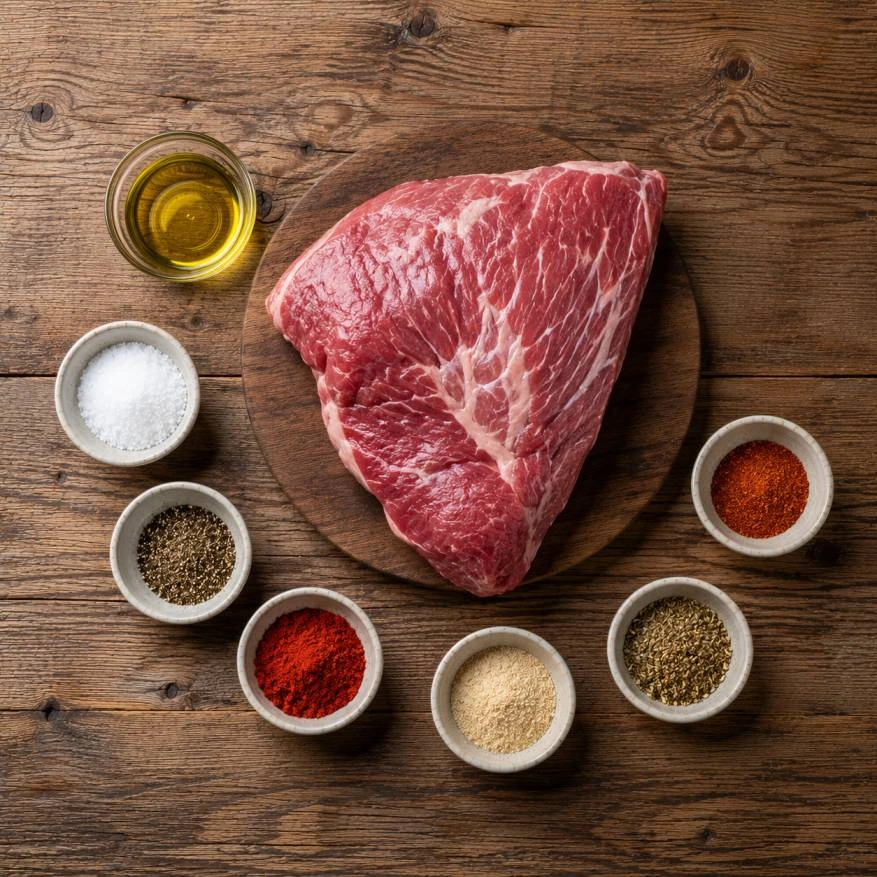
Tri-tip: This triangular cut from the bottom sirloin is prized for its rich flavor and relatively lean texture. Choose tri-tip that is firm with good marbling for the best results. If possible, buy freshly butchered tri-tip from a trusted source or specialty meat market.
Seasonings: The salt and pepper base is essential, but paprika adds color and a mild sweetness, while garlic and onion powders bring savory depth. Italian seasoning lends herbal notes, perfectly complementary to smoky grilled meat. Cayenne pepper adds a subtle heat that can be adjusted to taste.
Olive oil: Acts as the binder for the rub and helps the seasoning adhere to the meat, while promoting a good sear.
How to Make It
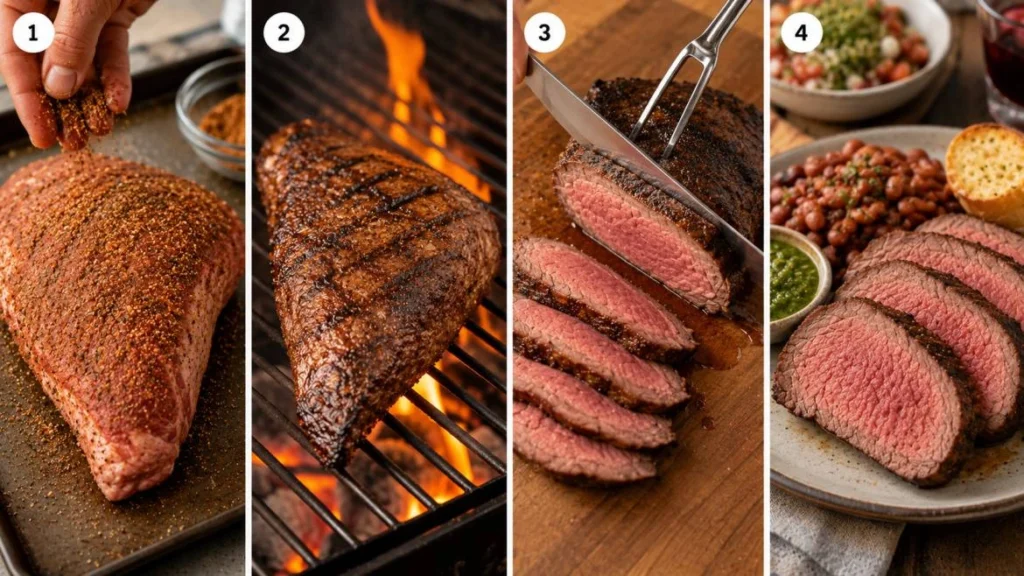
- Prepare the rub: In a small bowl, mix together the salt, pepper, paprika, garlic powder, onion powder, Italian seasoning, and cayenne pepper.
- Season the tri-tip: Pat the tri-tip dry then rub it with olive oil. Evenly coat the meat with the prepared rub, pressing it into the surface to maximize flavor absorption.
- Rest before grilling: Let the seasoned tri-tip rest at room temperature, covered, for 30 minutes. This step helps the meat come to an even temperature for more consistent cooking.
- Preheat the grill: Set up your grill for two-zone cooking with direct and indirect heat areas. Aim for a grill temperature near 400°F for searing.
- Sear the tri-tip: Place the tri-tip over direct heat and sear for about 5 minutes per side until you get a beautiful crust.
- Cook over indirect heat: Move the tri-tip to indirect heat and continue grilling until it reaches an internal temperature of 130°F for medium-rare doneness. This usually takes about 15 minutes but can vary depending on grill and meat thickness.
- Rest the meat: Remove from grill and let the tri-tip rest loosely covered for 10-15 minutes. Resting allows juices to redistribute, making the meat juicy and tender.
- Slice correctly: Always slice tri-tip against the grain to maximize tenderness. The grain usually runs along the length of the cut, so slicing perpendicular is key.
Expert Tips
- Choose red oak wood: Traditional Santa Maria grilling uses red oak for its mild, fragrant smoke that complements the tri-tip without overpowering it. You can add small chunks or chips to your charcoal or gas grill for authentic flavor.
- Use an instant-read thermometer: Monitoring tri-tip temperature ensures perfect medium-rare every time without guesswork.
- Reverse sear option: For even cooking, try the reverse sear method—cook tri-tip first on indirect heat until it’s just under target temperature, then sear briefly over high direct heat.
- Don’t skip resting: Allowing the meat to rest after cooking is crucial to lock in juiciness and develop tenderness.
- Season generously: The rub works best in liberal amounts, so don’t be shy with it to get a flavorful crust.
- Know your grain: Tri-tip’s grain can change direction mid-cut, so study it carefully before slicing to get perfect bite-sized pieces.
Recipe Variations
While the classic Santa Maria tri-tip rub is a standout, you can experiment with different seasonings and marinades for variety.
- Spicy Southwest Rub: Add ground cumin, chili powder, and smoked paprika for a southwestern twist.
- Simple Salt, Pepper & Garlic: A minimalist rub with just kosher salt, cracked black pepper, and fresh garlic cloves works beautifully when grilling over oak smoke.
- Marinated Tri-Tip: Marinate tri-tip overnight in a mixture of soy sauce, garlic, red wine vinegar, and olive oil for a tangy, tender result.
- Herb & Citrus: Incorporate fresh rosemary, thyme, and a splash of lemon juice into the rub or marinade for bright herbal notes.
What to Serve With It
Traditionally, Santa Maria tri-tip is served with classic sides that complement its smoky flavor. Popular accompaniments include grilled vegetables such as bell peppers and onions, fresh salsa or chimichurri for a fresh, tangy contrast, and buttery garlic bread or garlic mashed potatoes. For a true Santa Maria experience, serve it alongside pinquito beans, a small pink bean native to California well-loved for this dish.
Pair your beautifully grilled tri-tip with a robust red wine such as a Cabernet Sauvignon or Zinfandel. The bold tannins and fruitiness balance the garlicky, smoky flavors perfectly, creating an elevated dining experience.
Nutritional Benefits
Tri-tip is a relatively lean cut of beef with a good balance of protein and fat, providing essential nutrients such as iron, zinc, and B vitamins. Grilling tri-tip allows excess fat to drip away, making it a healthier option compared to some other steak cuts. Using herbs and spices in the rub boosts antioxidant intake and adds flavor without sodium overload.
For more detailed nutritional insights into grilling techniques and ingredient benefits, visit Serious Eats’ Santa Maria Tri-Tip Guide.
Storage Instructions
Store any leftover grilled tri-tip in an airtight container in the refrigerator for up to 3-4 days. To reheat, use gentle methods like warming in a low oven or covered skillet to maintain moisture. Avoid microwaving, which can dry out the meat.
For longer storage, tri-tip can be frozen for up to 2-3 months. Wrap tightly in freezer-safe packaging to protect it from freezer burn. Thaw overnight in the refrigerator before reheating gently.
Conclusion
Mastering the Santa Maria grilled tri-tip recipe opens up a delicious and authentic way to enjoy one of California’s most beloved barbecue traditions. This recipe’s simple yet flavor-packed rub and expert grilling tips ensure juicy, smoky, and tender steak that will impress family and friends. By understanding the importance of proper seasoning, temperature control, and slicing techniques, you can bring the true taste of Santa Maria barbecue into your home. Whether feeding a crowd or treating yourself to a grill-master’s feast, this recipe delivers unbeatable flavor every time.
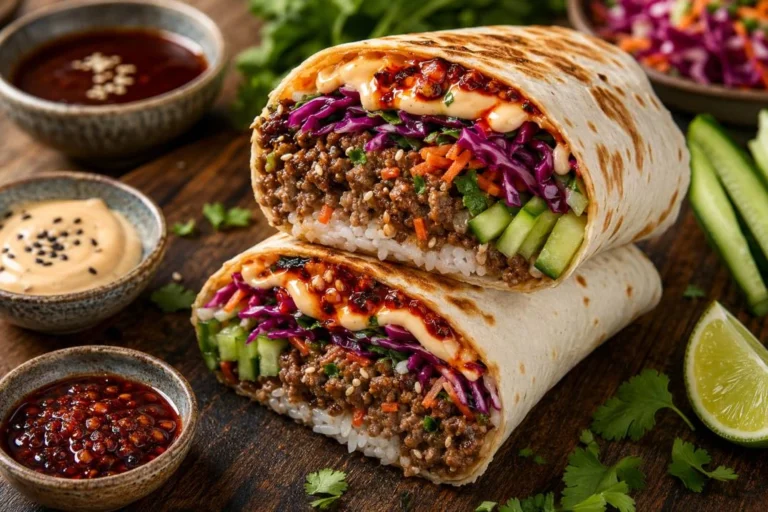
For more grilled recipe inspiration, you can explore tasty options like Korean beef burrito smash and crispy baked chicken thighs.
FAQ
What is Santa Maria tri-tip?
Santa Maria tri-tip is a specific style of preparing tri-tip beef roast native to the Santa Maria Valley in California, where it is traditionally grilled over red oak wood with a simple, flavorful rub of salt, pepper, and garlic-based seasonings. The method emphasizes smoky, tender, medium-rare meat.
How do you grill tri-tip Santa Maria style?
Start by seasoning the tri-tip with a traditional rub, then sear it over direct heat on a wood or charcoal grill. Finish cooking using indirect heat until the internal temperature reaches 130°F for medium-rare. Rest before slicing against the grain to serve.
What temperature should tri-tip reach when grilling?
The ideal internal temperature for tri-tip is 130°F for medium-rare, which is the recommended doneness to maximize tenderness and juiciness. You can adjust to 135°F for medium if preferred, but going beyond 140°F risks drying out this lean cut.
How do you slice tri-tip against the grain?
Examine the muscle fibers on the tri-tip to determine the direction of the grain, which often changes partway through the cut. Slice perpendicular (against) to the grain in thin strips for the most tender bite. This technique breaks down the muscle fibers, easing chewing.
Can you cook tri-tip on a gas grill?
Absolutely. You can replicate the Santa Maria style on a gas grill by using a two-zone fire setup and adding wood chips for smoke. Managing heat zones is key to getting the perfect sear and thorough cooking.