Easy Homemade Red Wine Vinaigrette: Simple Salad Dressing Recipe
Why You’ll Love This Recipe
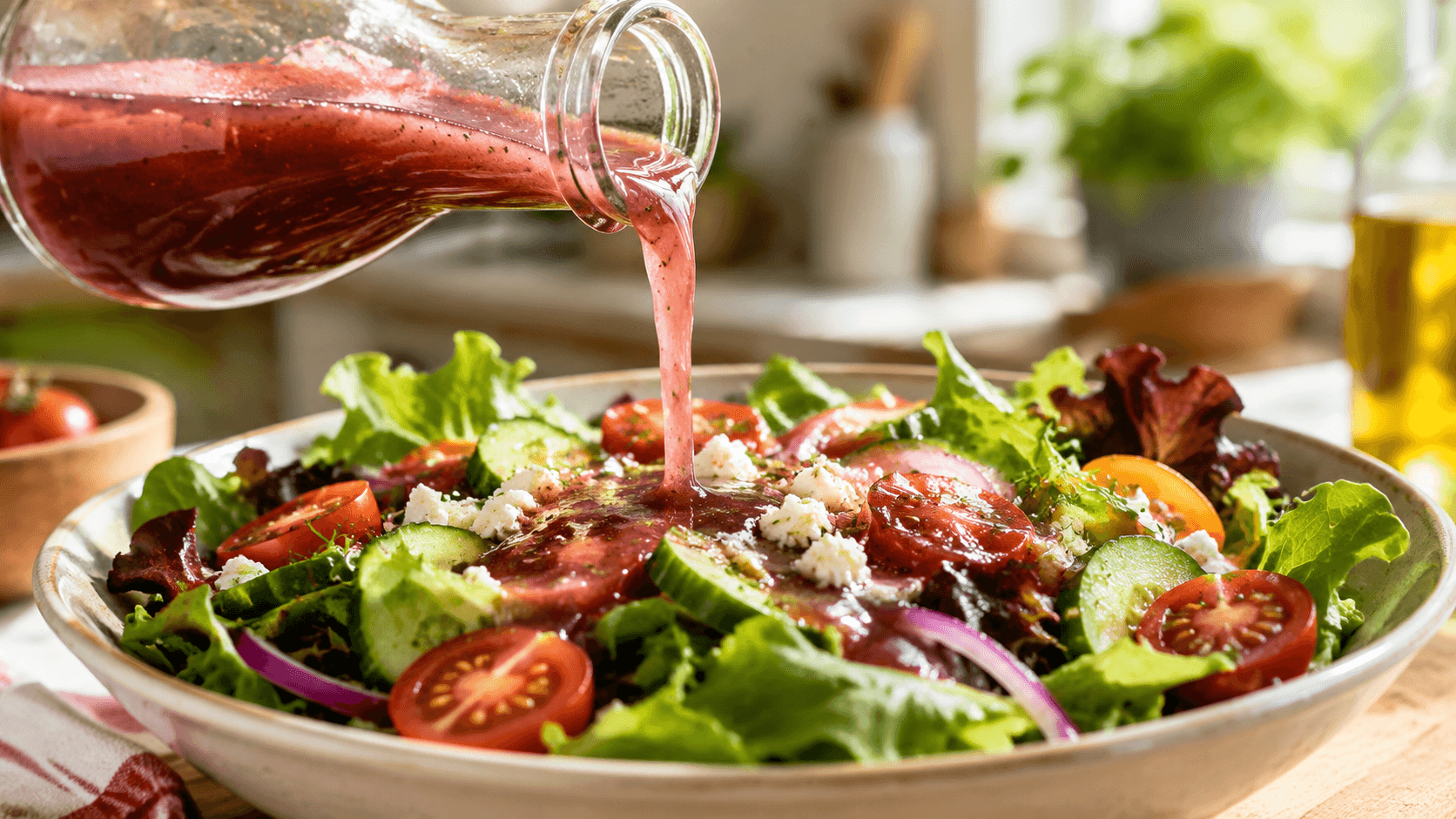
If you’re looking for an easy homemade salad dressing that’s fresh, flavorful, and versatile, this red wine vinaigrette is your go-to solution. Made with simple pantry staples like extra-virgin olive oil, red wine vinegar, and Dijon mustard, this dressing whips up in just five minutes. It’s a fantastic upgrade from store-bought options, delivering a perfect balance of tangy acidity and subtle sweetness that brightens any salad or dish. Whether you’re dressing a leafy green salad, marinating vegetables, or adding a zing to sandwiches, this red wine vinaigrette is a reliable kitchen staple you’ll come back to again and again.
Ingredients
Ingredients
Ingredient Notes
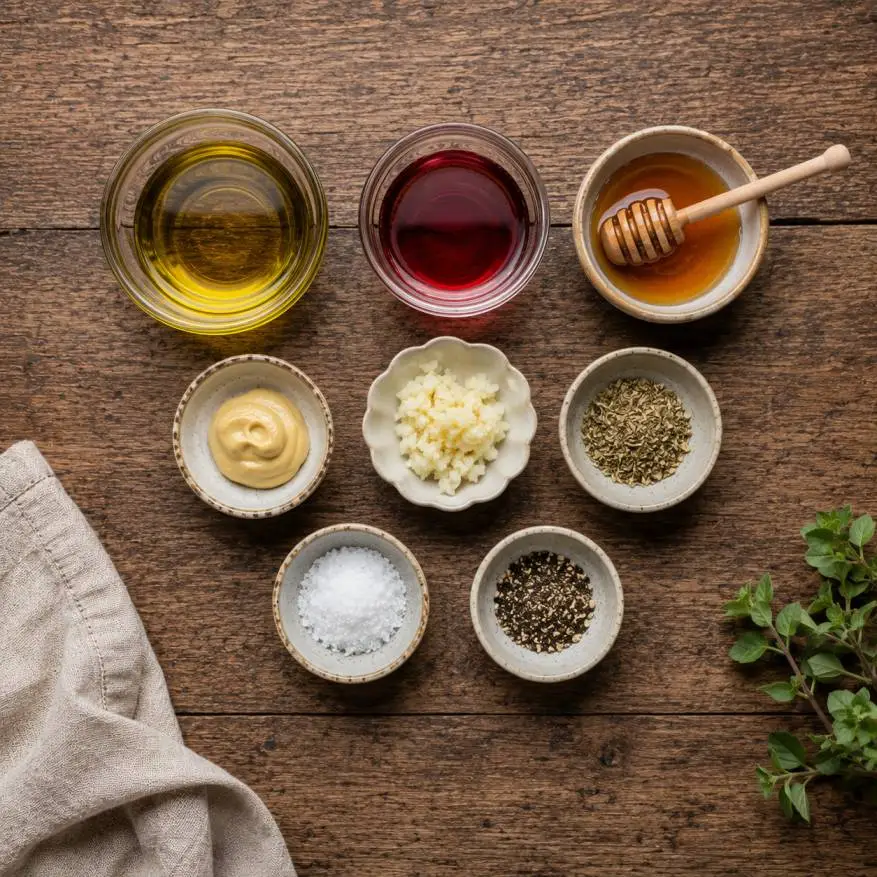
Extra-virgin olive oil: Choose a good-quality olive oil for the best flavor and health benefits. If you prefer a lighter taste, you can substitute with avocado oil or mild vegetable oil.
Red wine vinegar: This is the star acidic component giving the vinaigrette its classic tang. You can swap it for white wine vinegar or apple cider vinegar for a different twist.
Honey: Acts as a natural sweetener to balance the acidity. For a vegan-friendly alternative, try maple syrup or agave nectar.
Dijon mustard: Adds a slight kick and helps emulsify the dressing, giving it a silky texture. You can also experiment with whole-grain mustard for added texture.
Garlic & oregano: Fresh grated garlic delivers a punch of flavor, while dried oregano adds a subtle herbal note. Feel free to swap oregano with thyme or basil depending on your preference.
Salt and pepper: Essential seasonings to bring out all flavors. Adjust according to taste.
How to Make It
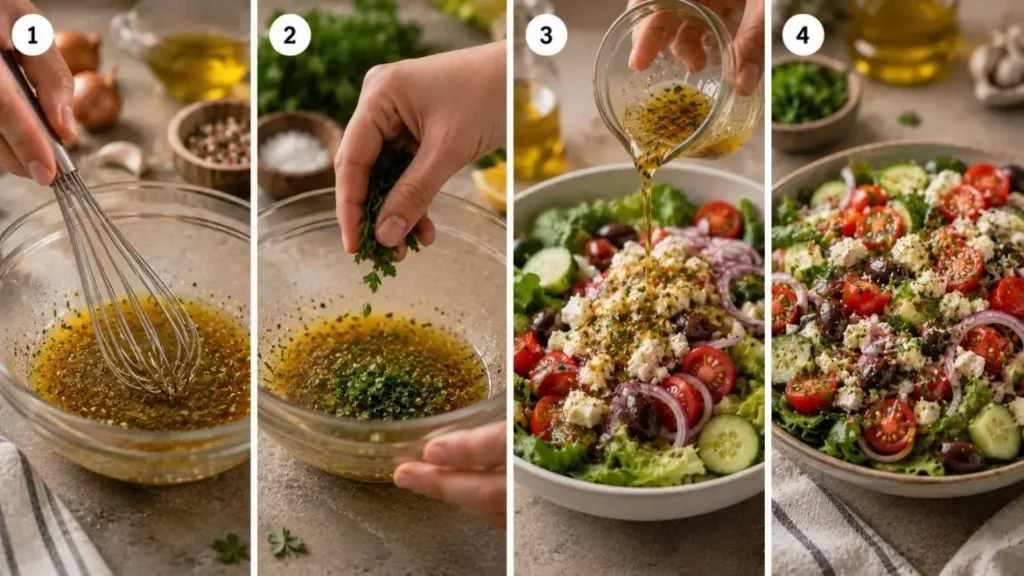
- Start by grating the garlic clove finely to ensure it blends smoothly into the dressing without large pieces.
- In a medium mixing bowl, combine the red wine vinegar, honey, Dijon mustard, grated garlic, dried oregano, sea salt, and freshly ground black pepper.
- Slowly whisk in the extra-virgin olive oil in a steady stream while continuously whisking to create a well-emulsified vinaigrette.
- Taste and adjust seasoning if necessary, adding a pinch more salt, pepper, or honey to suit your preference.
- Alternatively, place all ingredients in a jar with a tight-fitting lid and shake vigorously until well combined and emulsified.
- Use immediately or refrigerate in an airtight container for up to one week. Shake or stir before each use as separation may occur.
Expert Tips
- Emulsification is key. Whisking or shaking vigorously ensures the oil and vinegar blend into a smooth, balanced dressing instead of separating.
- Use fresh ingredients. Fresh garlic and good quality olive oil markedly improve flavor complexity and aroma.
- Adjust acidity and sweetness. Everyone’s palate is different – experiment with more honey for sweetness or additional vinegar for tanginess until it’s perfect for you.
- Warm oils blend better. If your olive oil is too cold and solidified, warm it slightly to help it mix seamlessly with the other ingredients.
- Make it ahead. The flavors meld beautifully if made a few hours before serving or stored overnight.
Recipe Variations
- Vegan red wine vinaigrette: Replace honey with maple syrup or agave nectar to keep the recipe entirely plant-based without sacrificing flavor.
- Sugar-free option: Simply eliminate the honey or use a sugar-free sweetener like stevia to reduce calories and sugar content.
- Herb-infused vinaigrette: Add fresh chopped parsley, basil, or thyme for an herbaceous boost that pairs wonderfully with Mediterranean salads.
- Spicy kick: Stir in a pinch of crushed red pepper flakes or a few dashes of hot sauce for a bold, zesty variation.
- Smoky twist: Add a teaspoon of smoked paprika or chipotle powder for a warming smoky undertone ideal for grilled vegetables or meats.
What to Serve With It
This red wine vinaigrette is incredibly versatile. It brightens mixed green salads featuring peppery arugula, baby spinach, or crisp romaine. It’s equally delicious drizzled over roasted vegetables or used as a marinade for grilled chicken, seafood, or tofu. Try it with grain bowls for an added zing or as a flavorful topping on sandwiches and wraps to elevate your everyday meals.
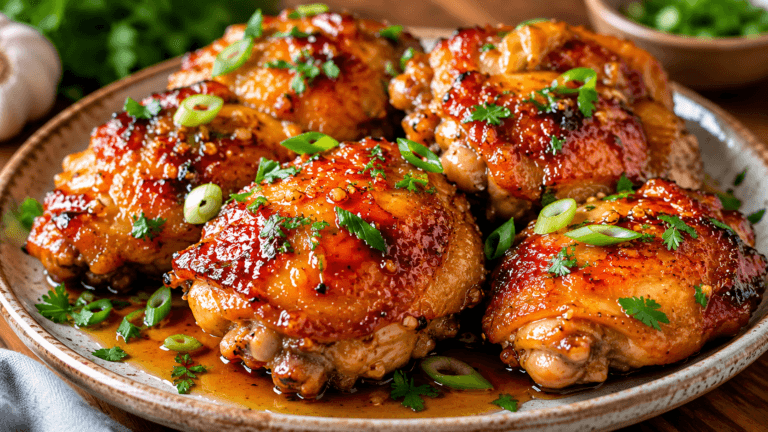
For inspiration on pairing this dressing with protein-packed meals, check out these hearty options like the Korean Beef Burrito or Buffalo Chicken Protein Bars. Also, complement your meal with crispy textures like crispy baked chicken thighs that work well with the vinaigrette’s bright acidity.
Nutritional Benefits
This red wine vinaigrette is not only tasty but also offers some health perks. Extra-virgin olive oil is rich in heart-healthy monounsaturated fats and antioxidants, which can help reduce inflammation and support cardiovascular health. Red wine vinegar contains acetic acid which may aid in blood sugar control and digestion. The garlic provides immune-boosting properties, and oregano is a source of vitamins and minerals. Using honey in moderation adds natural sweetness without refined sugars.
Keep in mind that using this vinaigrette in place of creamy dressings typically lowers calorie and fat intake, making it a smart choice for light, nutritious meals. For more detailed insight into heart-healthy vinaigrettes, visit the American Heart Association’s guide.
Storage Instructions
Store leftover vinaigrette in an airtight glass jar or container in the refrigerator for up to one week. The oil and vinegar may separate naturally; simply shake or whisk well before each use to recombine. Avoid storing it for too long as fresh garlic can lose its pungency and flavors may diminish over time.
For best freshness, make smaller batches if you don’t dress large quantities of salad regularly. If preparing in advance for a party or meal prep, give the vinaigrette a quick stir or shake before serving.
Conclusion
This easy homemade red wine vinaigrette is a must-have for those who appreciate fresh, vibrant, and uncomplicated salad dressings. Its quick preparation, simple ingredients, and adaptable flavor profile make it a versatile condiment that elevates salads, vegetables, and more. By making your own vinaigrette at home, you control the ingredients and flavors, ensuring a delicious and wholesome addition to your meals. Try this recipe today and experience how small touches like fresh garlic and good-quality olive oil can transform your salads into something truly special.
For more delicious recipes and cooking inspiration, check out other flavorful dishes like Korean Beef Burrito with Smash Flavor or crispy baked chicken thighs to complement your next meal.
FAQ
Can I use a blender to make red wine vinaigrette?
Yes, a blender or food processor can quickly emulsify the dressing and create a creamy texture. Just pulse briefly to avoid overheating the ingredients.
Is red wine vinaigrette gluten-free?
Absolutely, all the ingredients used here are naturally gluten-free, making it suitable for gluten-sensitive diets.
How long does homemade vinaigrette last?
Stored properly in the fridge, it keeps fresh for up to one week. Beyond that, flavors and freshness decline.
Can I omit garlic?
Yes, but garlic adds a distinctive pungency and depth. You can substitute with shallots or garlic powder if you prefer milder notes.
What salads pair best with red wine vinaigrette?
This vinaigrette complements leafy greens like romaine, arugula, kale, and spinach, as well as vegetable-rich salads featuring cucumbers, tomatoes, and bell peppers.